
Before You Buy a Condo in San Diego: How to Read the HOA's Financials
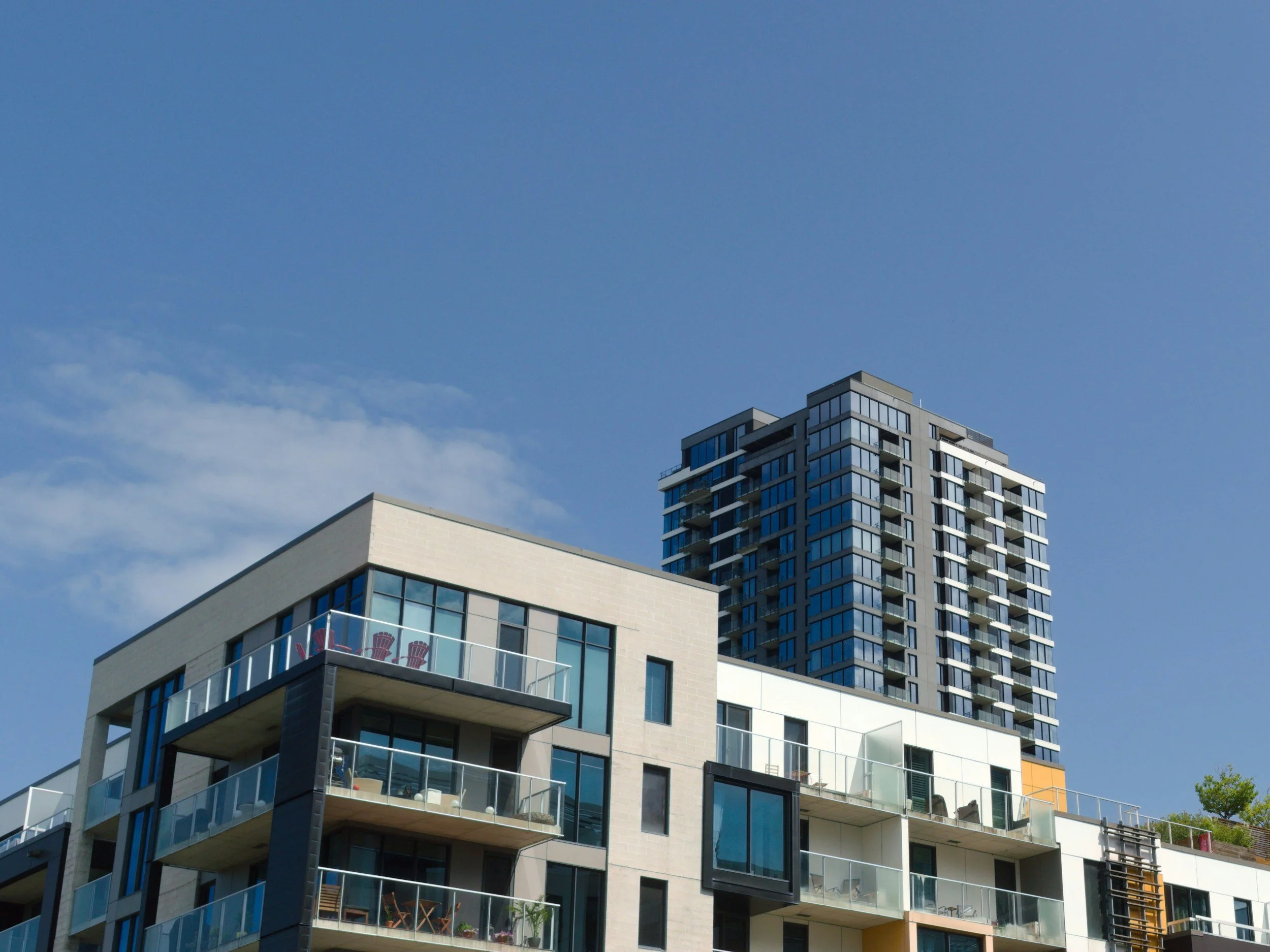
When you buy a condo or townhome, you are buying two things: your unit, and a share of a business called the homeowners association. If that business is poorly run or underfunded, you will pay for it, through higher dues, a special assessment, or a loan that falls apart before closing.
Most buyers skim the HOA documents. I read every page. Here is what I look for, and what you should too.
1. The reserve study: is the HOA saving enough?
Every California HOA must have a reserve study prepared at least once every three years. It lists the big-ticket items the association will eventually replace (roofs, paint, paving, pools, elevators) and estimates what they will cost.
The number that matters most is percent funded: how much the HOA has actually saved compared with what it should have saved by now. A common industry rule of thumb:
70% or more: strong
30% to 70%: fair, watch closely
Below 30%: weak, high risk of a special assessment
Then look at the timeline. If the roof is at the end of its life and the reserve fund cannot cover it, someone will pay the difference. That someone is the owners.
2. The budget and operating account: is the HOA covering its bills?
The annual budget should show income from dues covering normal operating costs, with money set aside for reserves. Red flags:
An operating account that is overdrawn or running a loss
Money borrowed from reserves to pay everyday bills. California law requires the board to repay reserve borrowing, generally within one year, and if it cannot, a special assessment usually follows.
Repair and maintenance costs running far over budget
Fannie Mae, which sets the rules for most conventional condo loans, generally expects an HOA to put at least 10% of its budgeted dues income into reserves.
3. Special assessments and dues increases
Ask directly: are there any active, planned or proposed special assessments? Is a dues increase coming next year?
California limits what a board can do without a vote of the owners. In general, the board cannot raise regular dues more than 20% in a year, or levy special assessments totaling more than 5% of the HOA's budgeted expenses for the year, without owner approval. There are exceptions for emergencies. In other words, an underfunded HOA can still send you a large bill.
4. Delinquencies: are owners paying their dues?
If too many owners are behind on their dues, the HOA has less cash, and lenders notice. Fannie Mae generally will not approve a condo project where more than 15% of units are 60 days or more past due. Liens and collection activity in the financial statements are a warning sign.
5. Insurance: can a lender approve the building?
Check the master insurance policy for:
Coverage amounts and deductibles. A high deductible may be passed on to owners after a claim.
Fidelity (employee dishonesty) coverage. Lenders require this coverage to meet minimums based on the HOA's funds. If it falls short, a conventional or FHA loan can be denied.
Recent cancellations or a switch to a more expensive carrier
Insurance has become one of the fastest-rising costs for San Diego HOAs. It is often the reason behind a dues increase.
6. Deferred maintenance and the physical building
Fannie Mae generally will not finance a unit in a building with significant unfunded critical repairs, such as structural, roofing or safety issues. Walk the property. Look at the roof, stairs, balconies and drainage. Compare what you see with what the reserve study says.
7. Board minutes and rules
The last 12 months of board meeting minutes tell you what the financial statements do not: disputes, lawsuits, pending repairs and upcoming votes. Then read the CC&Rs for the rules that affect how you live:
Rental restrictions (many San Diego HOAs prohibit short-term rentals)
Pet limits
Parking and garage rules
The documents you should receive
In a California resale, the seller must provide the HOA documents, including the governing documents, the most recent budget and reserve information, financial statements, insurance information, and any notice of assessments or violations. Ask for the minutes too. Review all of it before your contingency period ends, not after.
Bottom line
A beautiful unit in a poorly funded HOA is not a good deal. It is a future special assessment. A well-run HOA with strong reserves protects your investment and your ability to sell or refinance later.
Thinking about buying a condo or townhome? Send me a note. I will review the HOA documents with you and tell you plainly what I see.
Sources:
Bassem Elsayeh
REALTOR® | REeBroker Group | CA DRE #01901933
This post is general information, not legal or financial advice. Every HOA is different. Consult a qualified attorney or financial professional about your specific situation.